
Self-storage can be an excellent solution for homeowners, renters, and businesses that need extra space. Whether you’re moving, downsizing, or simply organizing your home, a well-planned storage strategy can help protect your belongings and make it easier to access items when needed. For residents across the Midwest, changing seasons and limited space often make storage units a practical and convenient option.
Choose the Right Storage Unit Size
Selecting the correct unit size is one of the most important decisions when renting storage. A unit that is too small can become overcrowded and difficult to organize, while a unit that is too large may cost more than necessary. Before renting, take time to estimate how much space your belongings will require. Many storage facilities provide size guides to help customers determine which unit best fits their needs.
Use Climate-Controlled Storage for Sensitive Items
Midwest weather can fluctuate dramatically throughout the year. Extreme heat, cold, and humidity can damage items such as wooden furniture, electronics, documents, and clothing. Climate-controlled storage units help maintain consistent temperatures and humidity levels, providing better protection for valuable or sensitive belongings.
Pack and Label Your Boxes Carefully
Proper packing can make a big difference in keeping your belongings safe and organized. Use sturdy boxes, protective wrapping, and packing materials to prevent damage during transport and storage. Clearly labeling each box will also save time later when you need to locate specific items inside your storage unit.
Create a Layout Inside Your Storage Unit
When placing items into your storage unit, it’s helpful to think about organization from the beginning. Place items you will need more frequently near the front of the unit, and store less frequently used items toward the back. Leaving a small walkway down the middle can also make it easier to access boxes and furniture without having to move everything around.
Protect Furniture and Large Items
Furniture and large household items should be carefully wrapped and protected before going into storage. Use furniture covers, blankets, or plastic wrap to keep dust and moisture away. Disassembling large items such as bed frames or tables can also help maximize space inside the unit while preventing damage during storage.
Keep an Inventory of Stored Items
Maintaining a simple inventory list of what you have stored can help you stay organized. Write down the contents of each box or take photos of stored items so you can easily remember what is inside your unit. This small step can save time and frustration when you need to locate something quickly.
Choose a Secure Storage Facility
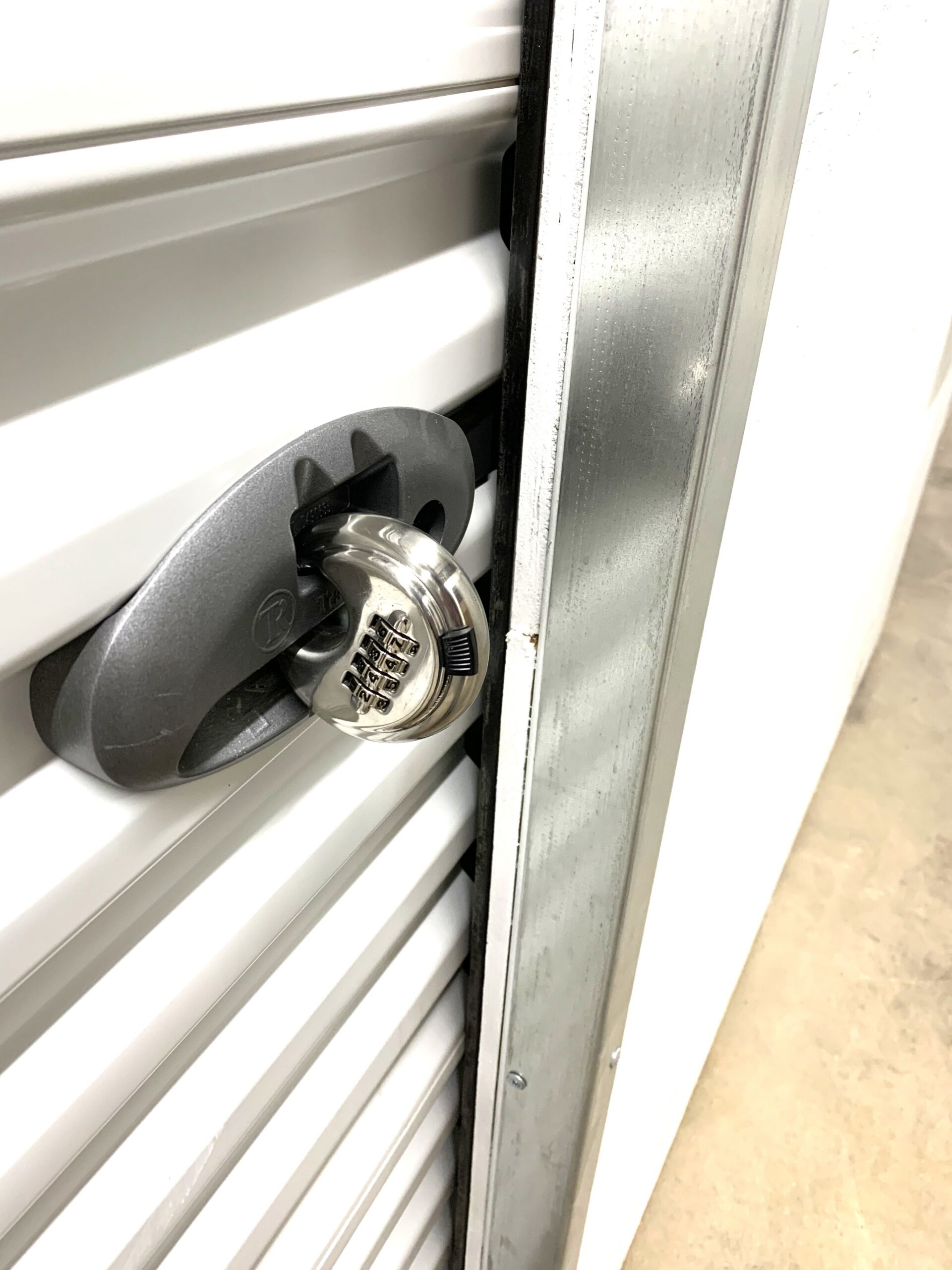
Security should always be a priority when selecting a storage facility. Look for locations that offer features such as gated access, keypad entry, surveillance cameras, and well-lit properties. These features help ensure your belongings remain safe while stored away.
Take Advantage of Self-Storage for Seasonal Items
Many Midwest residents use storage units to keep seasonal items such as holiday decorations, sports equipment, or patio furniture. Storing these items outside the home can free up valuable living space and make it easier to stay organized throughout the year.
Self-storage can be a simple and effective way to manage clutter and protect your belongings when space becomes limited. By choosing the right unit, packing items carefully, and keeping your storage space organized, you can make the most of your storage experience. With the right approach, a storage unit can become an extension of your home that keeps your belongings safe and accessible whenever you need them.